
How to Sell Printables (2026)
Learn how to sell printables online in 2026: niche selection, Etsy vs your site, pricing, SEO, listings, traffic, and realistic earnings.
If you want to know how to sell printables, the short version is this: pick a narrow problem-focused niche, create files people can print immediately, list them on a marketplace like Etsy and/or your own site, and optimize for search intent before you worry about social media. For most beginners, the fastest path is validating demand on a marketplace while building an owned asset alongside it through your own products strategy. That gives you traffic now and more control later.
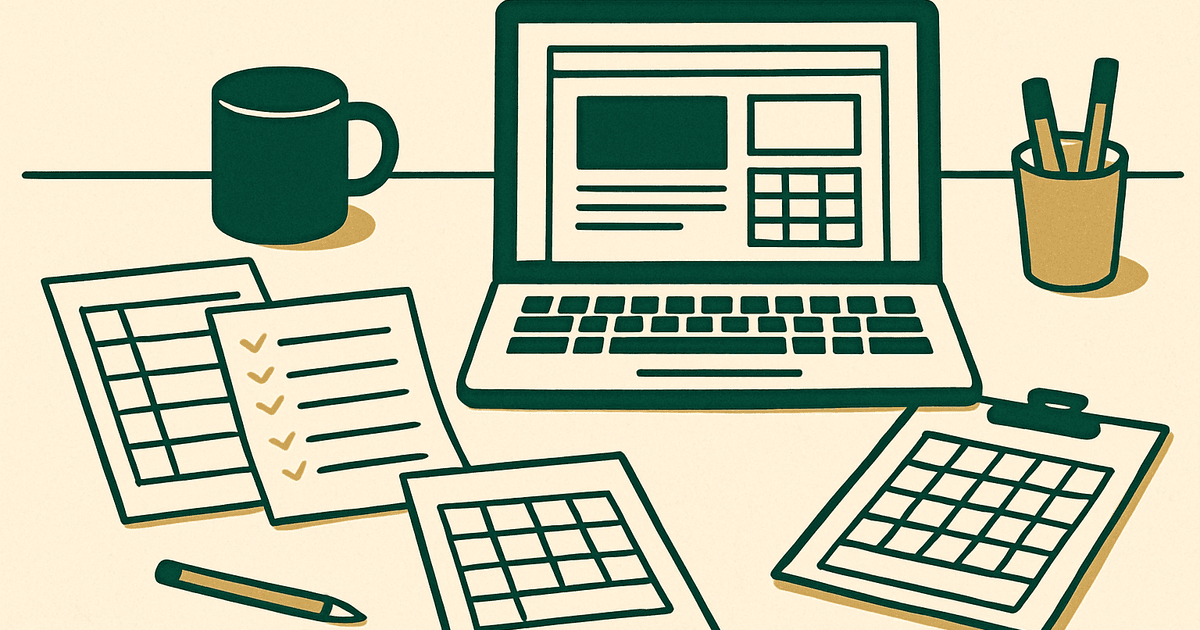
A printable product is just a digital file the buyer downloads and prints at home or at a print shop. Common examples include planners, wall art, worksheets, party decor, budget trackers, meal planners, homeschool materials, games, and wedding templates. The business model is attractive because inventory is digital, fulfillment is automated, and one good listing can sell repeatedly. But the hard part is not making files. It is matching a product to search demand, packaging it clearly, and getting enough targeted traffic to convert.
How to sell printables online: the basic model
You create a digital file, upload it to a storefront, write a listing that targets a specific use case, and the platform delivers the file after purchase. Your margins are usually high because there is no per-unit inventory cost, but your effective profit still depends on marketplace fees, payment processing, refunds, support time, and how much design work goes into each product line.
- Pick a niche with clear buyer intent, not a broad aesthetic category.
- Create printables that solve one job fast: plan, organize, decorate, teach, or track.
- Export in formats customers expect, typically PDF and sometimes PNG or JPG.
- Use strong mockups so shoppers understand exactly what they get.
- Write titles, tags, and descriptions around search phrases buyers actually use.
- Bundle related files to increase average order value.
- Add an email capture or owned-store path so you are not fully dependent on one marketplace.
Best platforms to sell printables
There are two practical routes: sell on a marketplace, or sell on your own site. For most creators, the best answer is both, but in sequence. Start where demand already exists, then build a controlled sales channel you own.
| Platform | Best for | Main advantage | Main tradeoff |
|---|---|---|---|
| Etsy | Beginners validating demand | Built-in buyer traffic | High competition and platform dependence |
| Your own WordPress site | Long-term brand and margin control | Email capture, SEO control, better ownership | You must generate traffic yourself |
| Gumroad | Simple digital delivery | Fast setup for digital files | Less marketplace discovery than Etsy |
| Shopify | Branded storefronts | Strong ecommerce tooling | Monthly cost and traffic responsibility |
| Teachers Pay Teachers or niche marketplaces | Specific verticals like education | Buyer intent is concentrated | Platform rules and category limits |
Etsy is usually where people begin because shoppers already search for printables there. Your own site becomes more valuable once you have proven product-market fit and know which products convert. If you want a lightweight storefront outside marketplaces, see this guide to selling digital products with Gumroad.
What kinds of printables sell best
The best-selling printables usually sit at the intersection of repeat demand, urgency, and a clear use case. Buyers rarely search for "beautiful printable". They search for "daily budget planner printable", "wedding seating chart template", or "homeschool reading log".
- Planning and organization: calendars, planners, habit trackers, cleaning schedules
- Finance: debt payoff sheets, sinking fund trackers, budget binders
- Education: worksheets, flashcards, lesson resources, activity packs
- Events: wedding signage, party games, shower invites, seating charts
- Home management: chore charts, meal planners, pantry labels, inventory sheets
- Kids and family: reward charts, road trip games, scavenger hunts
- Wall art and decor: quote prints, nursery art, seasonal decor
Evergreen categories usually beat trendy categories over time, but trend-responsive products can work if you publish quickly. The strongest niches often have one or more of these traits: buyers need the file soon, they search with specific terms, and they are willing to purchase bundles instead of a single page.
How to choose a profitable printable niche
A profitable niche is not just one with demand. It is one where you can consistently publish differentiated products and understand buyer language. The easiest way to fail is to chase a saturated category with generic designs and no angle.
- Search marketplace autocomplete terms and category pages to find how buyers phrase the problem.
- Study the first page of results and look for gaps in style, format, age group, or use case.
- Check whether products are sold as single files, sets, or editable templates.
- Look for niches where customization, bundles, or seasonal refreshes can increase revenue.
- Avoid products that rely heavily on copyrighted characters, quotes, trademarks, or licensed artwork.
Good differentiation angles include audience, format, complexity, and aesthetic. Instead of a generic planner, think: minimalist ADHD-friendly weekly planner, printable preschool sight-word pack, black-and-white ink-saving homeschool worksheets, or small-business inventory count sheets.
How to create printables people will pay for
Your file has to be usable before it is beautiful. Design matters, but buyers care most about whether it prints cleanly, fits standard paper sizes, and solves the intended problem without confusion.
- Offer common sizes like US Letter and A4 when relevant.
- Keep margins print-safe and avoid tiny text.
- Use high contrast for home printers.
- Export clean PDFs and test print every file.
- Include a simple instructions page if assembly or trimming is required.
- Name files clearly so buyers know what they downloaded.
If your products are editable templates rather than fixed printables, make that distinction explicit in the listing. Editable products attract a different buyer and often need more support. Fixed printables are simpler to fulfill and easier for many beginners to standardize.
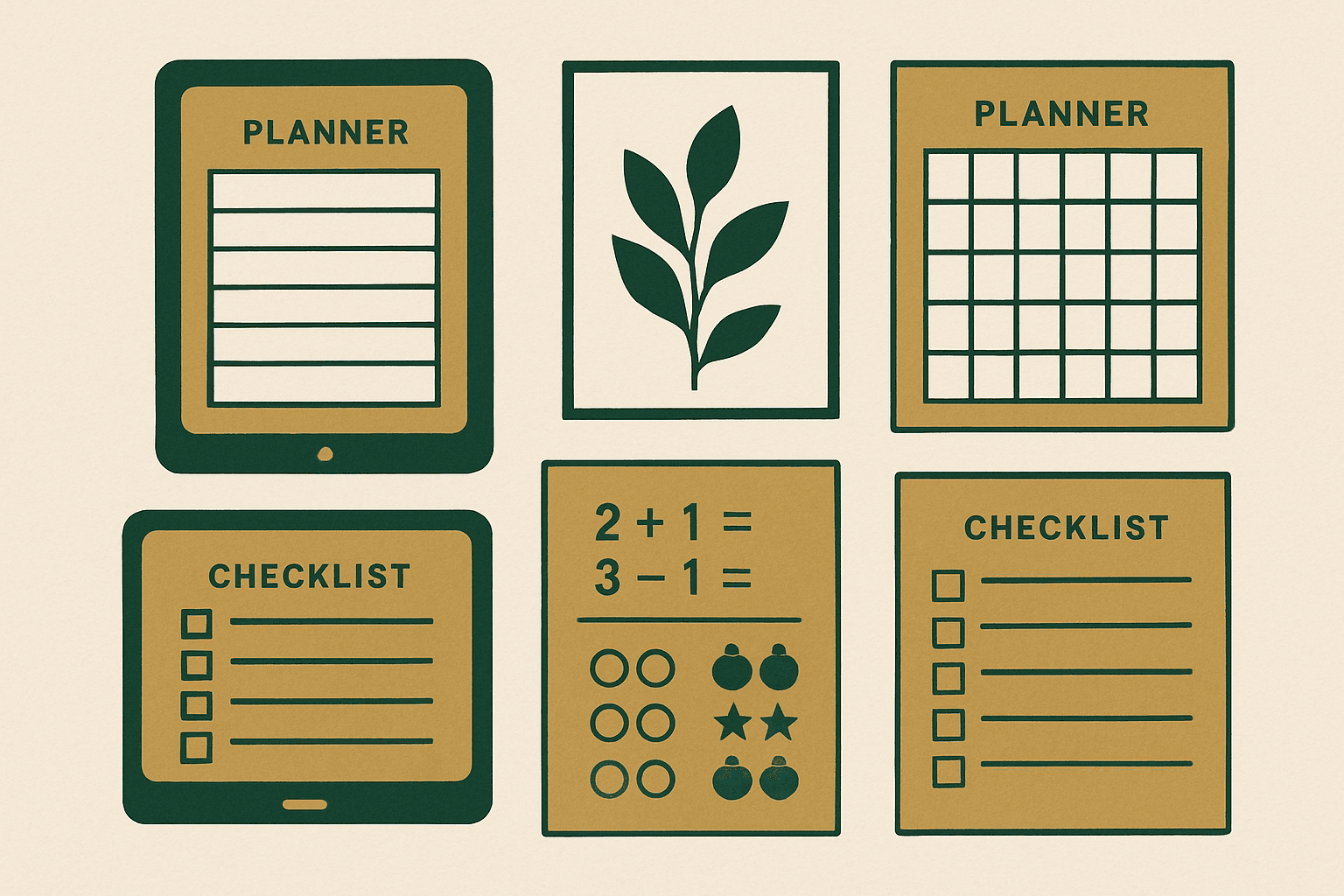
Pricing printables without killing conversion
Most printable pricing is anchored by competition, perceived utility, and bundle size. Single-page or simple files typically price lower. Bundles, niche-specific packs, and event kits usually support higher pricing. The right price is the one that preserves conversion while lifting average order value.
As of 2026, approximately, many simple printable products on Etsy and similar marketplaces are listed in the low single-digit to low double-digit range, while larger bundles or niche event packs can go higher. Earnings per listing vary by niche, geography, and season. There is no universal best price because some categories are impulse buys and others are research-heavy purchases.
- Use lower-priced entry products to win first-time buyers.
- Create bundles to improve revenue per customer.
- Test versioning: basic pack, full bundle, and seasonal update pack.
- Watch conversion rate, not just top-line revenue.
- Do not underprice highly specific products that solve urgent problems.
How to write printable listings that rank and convert
Good listings do two jobs: they help the platform understand what your product is, and they help the shopper feel safe buying it. Search relevance gets the click. Clarity gets the sale.
- Lead the title with the primary product phrase buyers search for.
- Add qualifiers like audience, style, use case, and file format naturally.
- Use tags and categories that match buyer intent, not just broad descriptors.
- Open the description with exactly what is included and what is not included.
- State sizes, formats, printing notes, and whether the product is editable.
- Show mockups that mirror real use cases instead of abstract design previews.
For example, a strong listing is less about adjectives and more about specifics: what the buyer gets, who it is for, how it is printed, and what problem it solves. If support friction is high, your listing is probably too vague.
Traffic: Etsy SEO, Pinterest, Google, and email
If you want to sell printables online consistently, traffic diversification matters. Relying only on one marketplace is convenient, but it is fragile. A small shift in ranking, fees, or policy can hit revenue fast.
- Etsy SEO: optimize titles, tags, categories, and listing quality signals.
- Pinterest: useful for visually clear categories like planners, decor, and party printables.
- Google SEO: strongest when you publish supporting content on your own site.
- Email: best channel for repeat launches, bundles, and seasonal promos.
Search-driven traffic usually compounds better than social-only traffic because it captures existing intent. A practical setup is marketplace listings for immediate demand plus a site with blog content that ranks for use-case searches, gift ideas, checklists, templates, and printable roundups.
How much can you make selling printables?
You can make anything from very little to a meaningful side income, and in some cases a full business, but results depend heavily on product count, niche fit, listing quality, and traffic. New shops often underestimate how much catalog depth matters. One or two products rarely tell you much. Fifty focused listings tell you more.
As of 2026, approximately, printable businesses can see earnings ranging from occasional monthly sales to substantial recurring revenue, but revenue varies by niche, geography, and season. Seasonal categories can spike hard and then go quiet. Evergreen planning, education, and organizational products are often steadier. Your profit margins are typically strong on digital files, but marketplace fees and support time still matter.
Common mistakes in a printables business
- Creating products before validating search demand
- Using vague titles and descriptions
- Publishing too broad a catalog with no niche cohesion
- Ignoring file quality and print testing
- Copying popular designs instead of differentiating
- Depending entirely on Etsy traffic
- Not building bundles or follow-up products
- Selling anything that risks copyright or trademark issues
A lot of creators think they have a traffic problem when they actually have a positioning problem. If buyers cannot tell within a few seconds what your file does and who it is for, the listing will struggle even with impressions.
A practical launch plan for your first 30 days
- Pick one niche with enough room for at least 20 related products.
- Research search phrases and competing listings.
- Create 5 to 10 launch products, including at least 2 bundles.
- Write clear listings with tested mockups and print details.
- Publish consistently instead of waiting for a perfect brand package.
- Track views, favorites, conversion, and which search terms lead to sales.
- Use those signals to expand only the winning subcategories.
That process sounds simple because it is. The edge comes from repetition and focus. The sellers who usually win are not the ones making the prettiest random files. They are the ones building a catalog around proven buyer intent and then moving that audience into channels they control, including content and email through an owned digital products model.
Do I need Etsy to sell printables?
What software do I need to make printables?
How much should I charge for printables?
Are printables still profitable in 2026?
Can I use AI to create printables to sell?
Get the next guide by email
One practical email when we publish.